
If you are hunting f
, you are not alone. Many people still picture Paris first, yet rents and daily pressure in the capital push families, remote workers, and retirees toward smaller hubs with trams, trains, and room to breathe. The right city depends on your job sector, budget, and how much French you already speak, not a postcard fantasy.
Quick answer: Five strong picks outside Paris are Nantes, Montpellier, Albi, Strasbourg, and Pau. Each mixes work or study options with a calmer cost curve than central Paris, but none is magic: you still need a visa story, a housing dossier, and a healthcare plan. For how pricey France feels compared with other EU countries, see Eurostat’s comparative price levels overview before you lock a budget.
| City | Best if you want… | Watch out for… |
|---|---|---|
| Nantes | Green industry, student energy, trains to Paris | Popular districts fill fast; line up your rental file early |
| Montpellier | Sun, universities, health and biotech clusters | Heat and summer crowds; plan air conditioning or shade |
| Albi | Heritage charm and slower pace in the southwest | Fewer big-name employers; remote income matters more |
| Strasbourg | EU institutions, cycling, quick hops to Germany | Cross-border tax and insurance questions need a pro |
| Pau | Mountains close by, smaller-city calm | Longer trips to major airports; check your mobility needs |
Underrated cities in France: Nantes, the west-coast workhorse
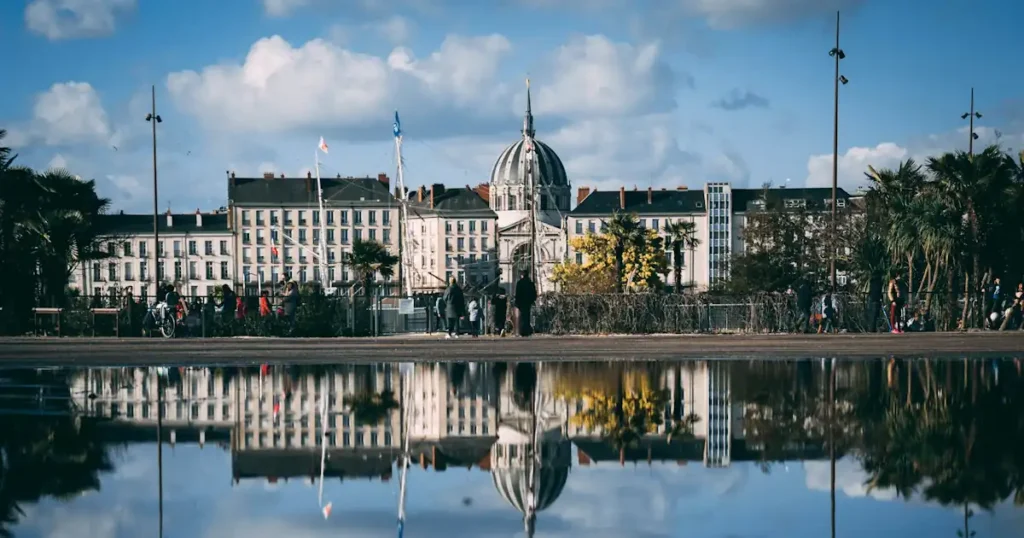
Nantes keeps showing up on lists of underrated cities in France because it pairs steady jobs with a walkable core and serious investment in parks and riverfront districts. The TGV link to Paris is handy for meetings, but daily life runs on local trams and bikes. Rents are usually gentler than in Paris, though the best flats still move quickly.
The city has built a strong reputation in digital industries, aerospace, and maritime technology, and if you work in engineering, software, or sustainability-linked sectors, the local job board is more interesting than its modest size suggests. On the livability side, the Île de Nantes, a former industrial island transformed into a cultural and residential quarter, is a signal of how seriously the city takes its public realm. It consistently ranks among the greenest in France, and tree canopy, urban gardens, and car-free zones are visible on a daily walk.
Average rents sit roughly 40–50% below Paris per square metre, but demand has been climbing. A well-presented dossier with income at three times the rent is the baseline expectation; if your income is freelance or foreign, prepare documentation early. The broader financial case is compelling: at 2h10 from Paris Montparnasse by TGV, Nantes puts many Paris salaries within reach of a much lower lifestyle budget for hybrid workers.
Montpellier, where students and sun fill the calendar
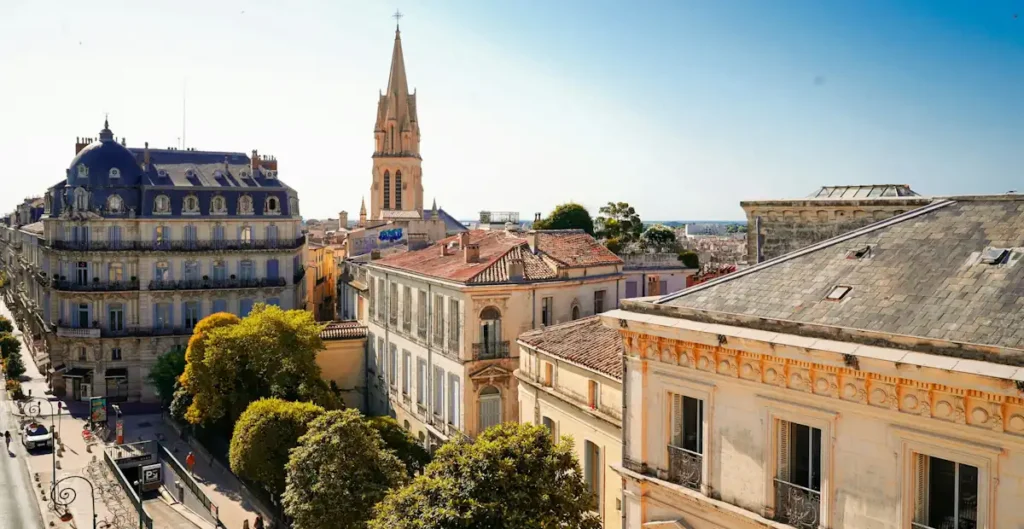
Montpellier grows fast thanks to universities, hospitals, and research campuses, and it belongs in any honest list of underrated cities in France for sun-seekers who still want career depth. Expect warm summers, a big young crowd, and a tram network that ties the historic centre to newer neighbourhoods. If you need deep detail on money and daily prices, pair this guide with our France versus USA cost of living breakdown.
The university ecosystem is one of the oldest in Europe, and that legacy translates into real institutional weight today. The CHU de Montpellier is a major teaching hospital and employer, and the biotech and health-tech clusters around the Parc Euromédecine give the city a research-driven economic identity that few French cities outside Paris and Lyon can match. Summers are long and genuinely hot, July and August regularly exceed 35°C so if you plan to live without air conditioning, look for flats with thick walls and good shutters. Rents have risen since 2020 but a two-bedroom in a decent tram-served neighbourhood still costs 30–40% less than an equivalent in the capital.
One underrated bonus: the Mediterranean coast at Palavas-les-Flots is about 15 minutes away by car or bike, putting a genuine beach swim within weekday reach. For anyone drawn by the idea of France but put off by northern skies, Montpellier delivers. If you need deep detail on money and daily prices, pair this guide with our France versus USA cost of living breakdown.
Albi, small-city France with big history
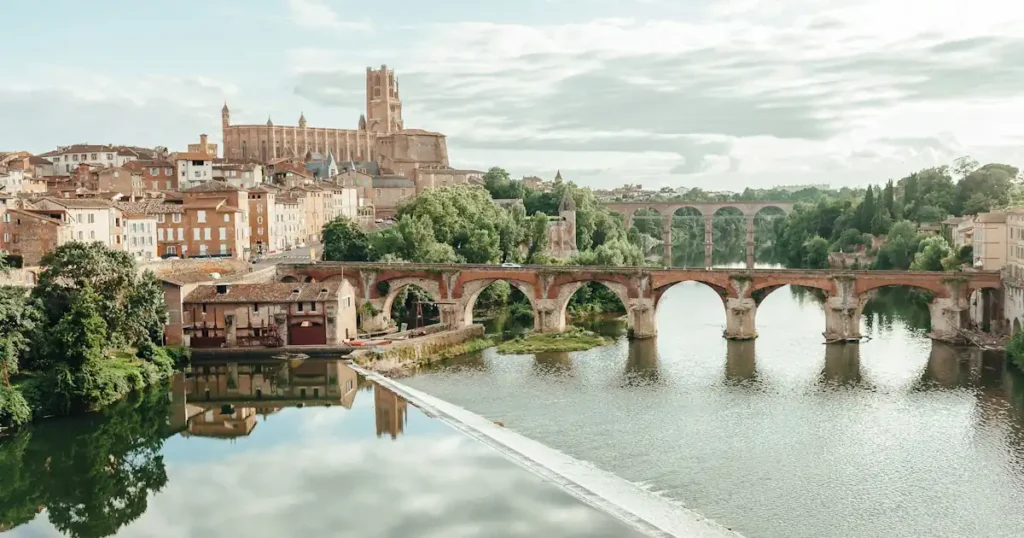
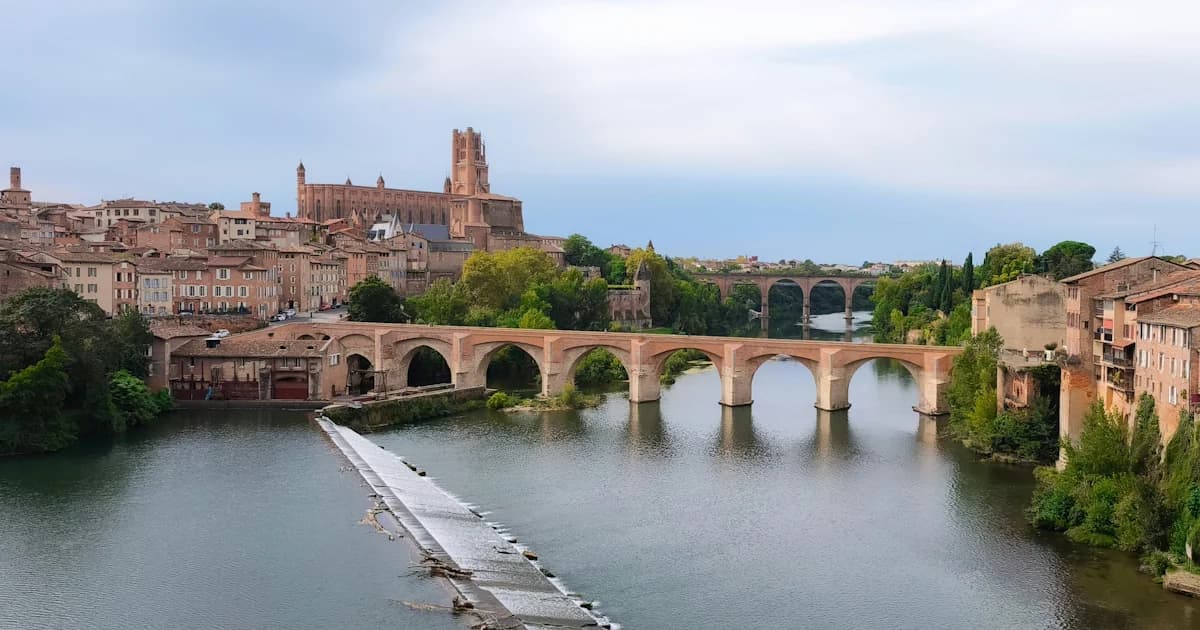
Albi suits people who want stone streets, markets, and a quieter rhythm while staying inside Occitanie, and it quietly earns its spot among underrated cities in France for heritage lovers. It is a stronger fit for remote earners or semi-retirement than for anyone chasing a huge local job board. Property can still be competitive near the centre, so treat listings like a serious project, not a holiday browse.
The city is a UNESCO World Heritage Site in the truest sense, the fortified Gothic cathedral of Sainte-Cécile dominates the skyline in a way that never becomes ordinary, and the Toulouse-Lautrec Museum in the adjacent Bishop’s Palace is one of the finest single-artist museums in France. The cost picture is Albi’s strongest argument: property prices are a fraction of Paris levels, and well-restored houses with gardens are available at prices that would buy a studio in the 11th arrondissement. The food culture of the southwest: cassoulet, foie gras, Gaillac wine from just down the road, is woven into everyday life.
The honest weakness is connectivity. Toulouse is an hour by road with TGV and international airport access, but that means most longer journeys require a car leg first. If your work requires regular long-distance travel, build that friction into the decision.
Strasbourg, two cultures in one metro area
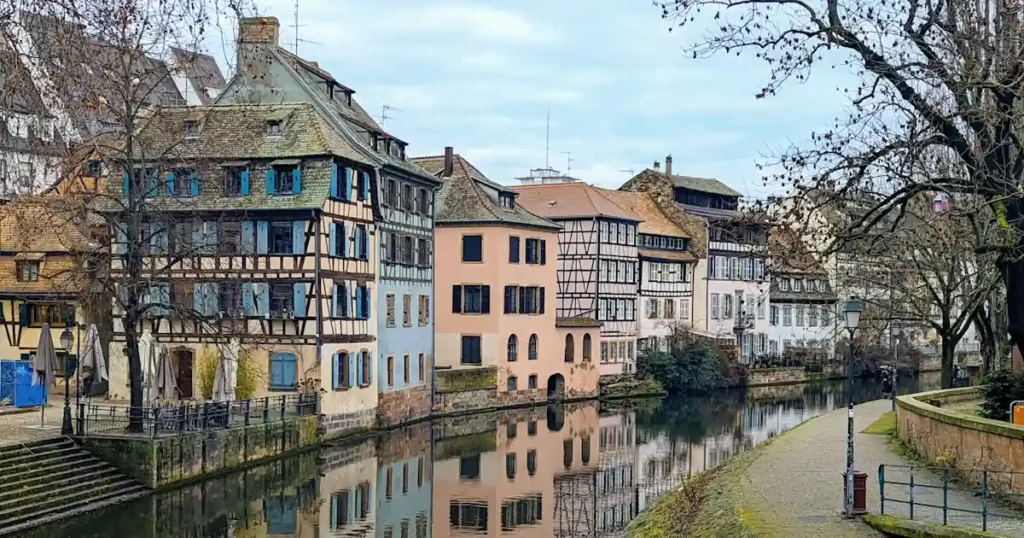
Strasbourg mixes French and German influences, EU institutions, and serious cycling infrastructure. Cross-border shopping and weekend trips are easy wins, yet residency, tax, and health coverage still need clear answers for your case. If paperwork piles up, keep payslips and IDs in one place using a document vault so agents and banks get answers fast.
Alsatian culture is distinct from both mainstream French and German norms, the cuisine (choucroute, tarte flambée), the architecture in the Petite France quarter, and the Christmas market, one of the oldest and largest in Europe, all reflect a genuinely hybrid identity. The European Quarter is the most distinctive card in Strasbourg’s hand: the European Parliament, the Council of Europe, and the European Court of Human Rights all have major presences here, creating a cluster of institutions, NGOs, and policy-adjacent employers that does not exist anywhere else in France outside Paris. For people in law, international development, or lobbying, the opportunities here exceed what cities three times the size can offer.
The cross-border dimension with Germany adds practical value, Freiburg is 45 minutes away, but cross-border employment creates tax complexity that requires specialist advice. Do not assume French administrative rules apply automatically to your German-side life.
Pau, between peaks and the Atlantic
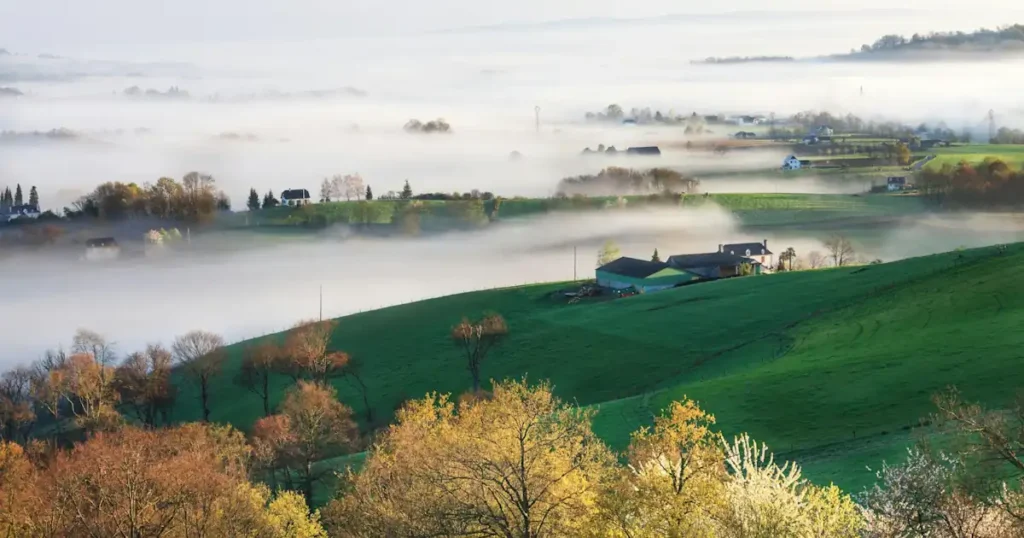
Pau sits where mountain views meet a milder southwest climate, and it rounds out our map of underrated cities in France for people who want nature without alpine resort prices every day. It is smaller than the other picks here, which helps with community feel but means fewer headline employers. Ski slopes and the Basque coast are both weekend range if you drive.
The Boulevard des Pyrénées a 1.8-kilometre esplanade along the southern edge of the city, offers one of the most celebrated urban views in France: on a clear day, the full panorama of Pyrenean peaks stretches from east to west. That is not a weekend excursion, it is the view from the café table on a Tuesday morning. The cost of living is among the lowest on this list, and property remains accessible for buyers in a way that is already closing in Nantes or Montpellier. The energy sector around the historic Lacq basin also provides more employment depth than Pau’s modest profile suggests, particularly for engineers in the energy transition space.
Airport access is the most honest constraint. Pau Pyrénées Airport serves Paris and a handful of European destinations, but for broader connectivity, Bordeaux (two hours) or Toulouse (ninety minutes) are the realistic options, factor that driving time in if your life involves regular international flights.
Quick answer: Five strong picks outside Paris are Nantes, Montpellier, Albi, Strasbourg, and Pau. Each mixes work or study options with a calmer cost curve than central Paris, but none is magic: you still need a visa story, a housing dossier, and a healthcare plan. For how pricey France feels compared with other EU countries, see Eurostat’s comparative price levels overview before you lock a budget.
Common mistakes when picking among underrated cities in France
- Choosing from a short vacation only, then getting surprised by winter rents or off-season quiet.
- Ignoring how you will live without a car; trams win in some metros, not in every village nearby.
- Forgetting that landlords still want a tight dossier even outside Paris.
- Skipping a real healthcare plan; public cover has rules, and wait times vary by town.
FAQ
What is the French minimum wage in 2026? The national gross minimum wage (SMIC) is updated on official schedules. Check the current monthly and hourly amounts on service-public.fr or Urssaf before you sign any contract.
Do I need a French bank account to rent? Most landlords want a French IBAN for rent and charges, and many aid schemes expect the same. That creates a timing puzzle with proof of address, so plan banking early.
How does public healthcare work? After you are settled with the right residence status, you apply through the usual health insurance fund (CPAM) path and receive a Carte Vitale for reimbursements. Read the basics on ameli.fr and confirm your situation with the fund that covers your address.
Can I live without a car? In Nantes, Strasbourg, and Montpellier, many households do. In smaller towns, check bus frequency before you commit.
What if my French is still basic? Larger university cities offer more multilingual clinics and services, but learning everyday French still makes taxes, school mail, and neighbors easier. Give yourself a small weekly study habit before you move.
When you are ready to turn shortlists of underrated cities in France into real tasks, open a personalized moving checklist on Relocora so visas, housing, and healthcare steps stay in order.