
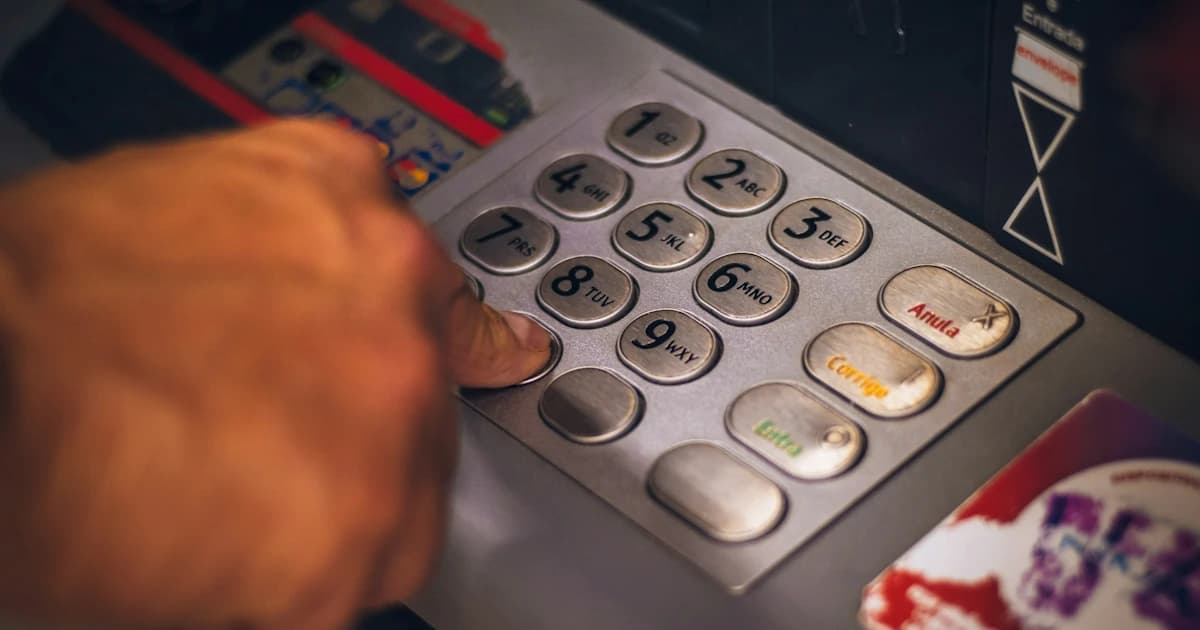
Opening a French bank account is one of the first things you need to do when relocating to France and without one, almost nothing else falls into place. Before you can sign a lease, set up electricity, or receive a salary, you’ll need a RIB (Relevé d’Identité Bancaire): a document containing your French IBAN and BIC codes that acts as your financial identity in France.
What You’ll Need to Open an Account
Most banks require three things:
- A valid passport
- Proof of a French address (justificatif de domicile)
- Evidence of your legal residency status (visa or residency permit)
The tricky part? Getting proof of address when you’ve just arrived. Here’s how to deal with that.
Breaking the Proof of Address Catch-22
Traditional banks want a utility bill or signed lease, but landlords often won’t give you a lease without a bank account first. Classic catch-22.
You have two ways out:
1. Start with a neobank. Providers like Revolut and N26 offer French IBANs via a smartphone app, often with no address proof required. This gets you a working RIB within minutes, which you can use to sign your first contracts.
2. Use an attestation d’hébergement. Staying with a friend or colleague? They can write a signed letter confirming you live with them. You’ll also need a copy of their ID and a utility bill in their name dated within the last three months.
Planning a move to France?
Relocora gives you a personalised checklist for your move: visa, housing, banking, and healthcare in the right order. Start with a free 7-day trial (no card). Then a one-time Relocation Pass from $49.
Start free trialNeobank or Traditional Bank: Which Is Right for You?
Neobanks: Best for Your First Week
If speed is the priority, go digital first. Neobanks offer:
- Instant French IBAN
- English-language apps
- Fee-free daily spending
- Quick sign-up from your phone
The trade-off: no checkbooks, no cash deposits, and limited access to products like mortgages or regulated savings accounts.
Traditional Banks: Best for Long-Term Stability
Once you’re settled, a bank like BNP Paribas or Société Générale gives you access to physical branches, chéquiers (checkbooks), and a full range of financial products. Some even have English-speaking advisors. Expect monthly package fees of around €7–€15.
The smart move: open a neobank account in week one to get your RIB, then set up a traditional account once you have a permanent address.
A Note for US Citizens
If you hold a US passport or Green Card, FATCA (the Foreign Account Tax Compliance Act) complicates things. French banks are required to report your assets to the IRS, which many smaller institutions simply don’t want to deal with, so they’ll turn you away.
Your best bet is to go straight to a large institution like BNP Paribas or Société Générale, which have the compliance infrastructure to handle US taxpayers.
What If a Bank Refuses You?
You have a legal right to a bank account in France, known as the droit au compte. If you’re turned down, ask the bank for a formal lettre de refus (refusal letter). If they don’t respond within 15 days, French law now treats that silence as a tacit refusal and you can take your case directly to the Banque de France, which will assign a bank to open an account for you at no charge. See service-public.gouv.fr
Common Mistakes to Avoid
- Don’t wait. Open your account within the first three days. Without a RIB, you can’t finalise your lease or register for healthcare.
- Don’t use a phone bill as address proof. Traditional banks won’t accept it. Stick to electricity (EDF), gas, or landline internet bills.
- Watch out for non-resident fees. If you open an account before you’re a tax resident, some banks charge quarterly management fees, sometimes over €200 per year.
FAQ
Can I open an account before I arrive in France? Yes. BNP Paribas and a few other large banks offer non-resident services you can start from abroad. You’ll convert the account to a standard resident account once you have a local address.
Do I need a French phone number? Yes, almost every French bank uses SMS-based two-factor authentication. Get a French SIM card before your first bank appointment. That French number does not replace the US mobile number US banks already have on file. See how Americans keep a US number for login codes.
What’s the difference between a virement and a prélèvement? A virement is a transfer you initiate. A prélèvement automatique is a direct debit, where a provider (your gym, your internet company) pulls payment from your account automatically each month.
How long until I get a debit card? Your RIB is usually available immediately in the app. A physical card typically arrives by post within 7–14 days.
Relocora’s Mission Control gives you a personalised relocation checklist that tracks every step: visa, housing, banking, healthcare in one place, with task dependencies so you always know what to do next. Free to get started.